

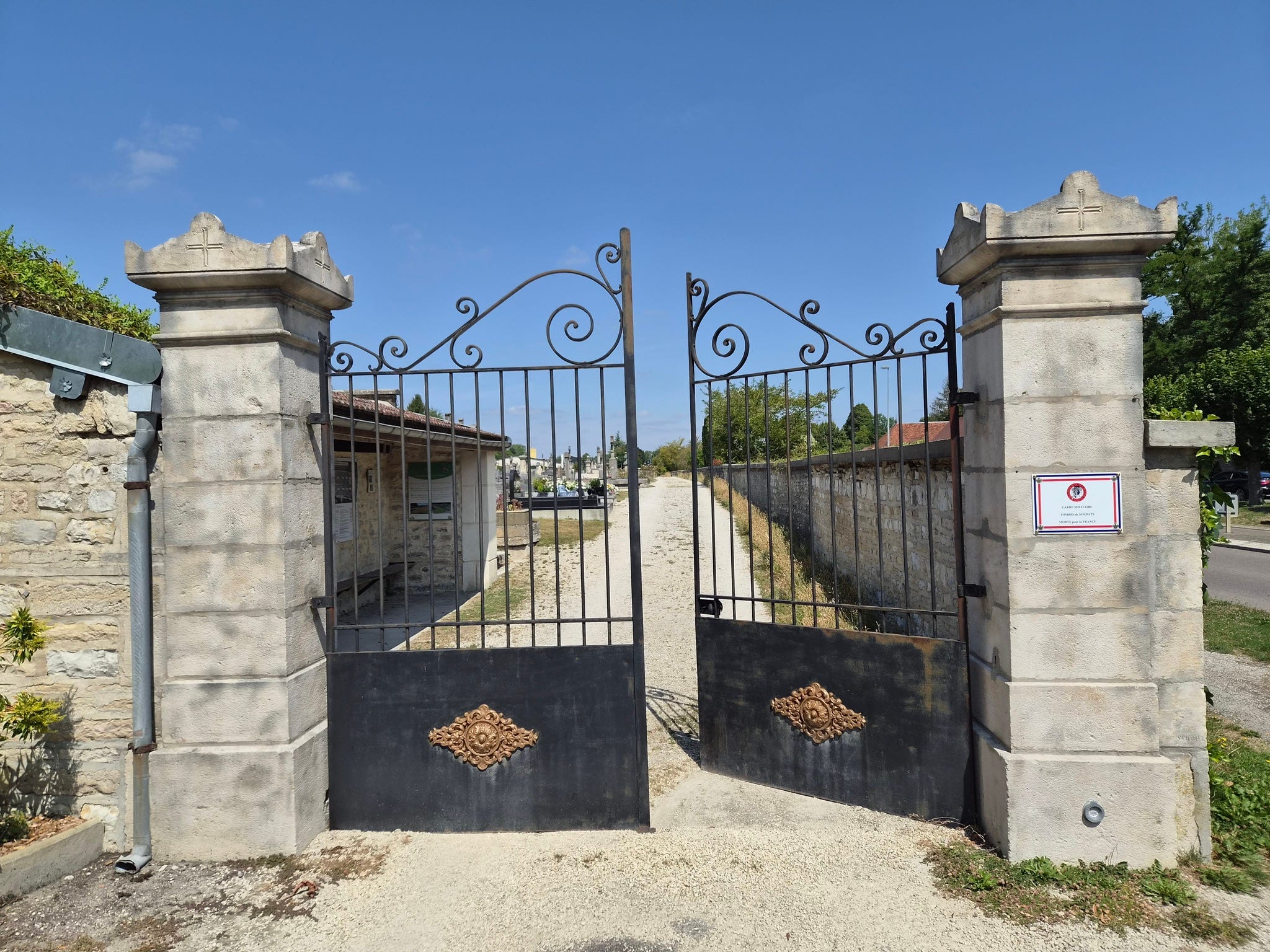
And now for something completely different: The ‘MASDU’, National Socialist executions, burial practices, and becoming one with a tree.
Three French Graves
Having previous written about France and death in the Summer (see below), I would like to share some comments about three French graves which we visited during half term.
Here is the Summer article:
Given that The WM Review has published a whopping 16,000 words this week (they were not all written this week…), and on quite intense material, this should be a bit lighter – and it includes pictures.
Here are the other articles from this week, for those who missed them:
Thoughts on the Thesis of Cassiciacum – From the grave of Mgr Guérard des Lauriers
Spaghetti Bolognese: A Novus Ordo ordination can’t be proved valid with a single video
Abbé Georges de Nantes
During a recent visit to France, I and my family visited the grave of Abbé Georges de Nantes, at S. Parres-les-Vaudes, France.

Unlike all the other graves around, he and his spiritual children are buried in simple plots without stone monuments.
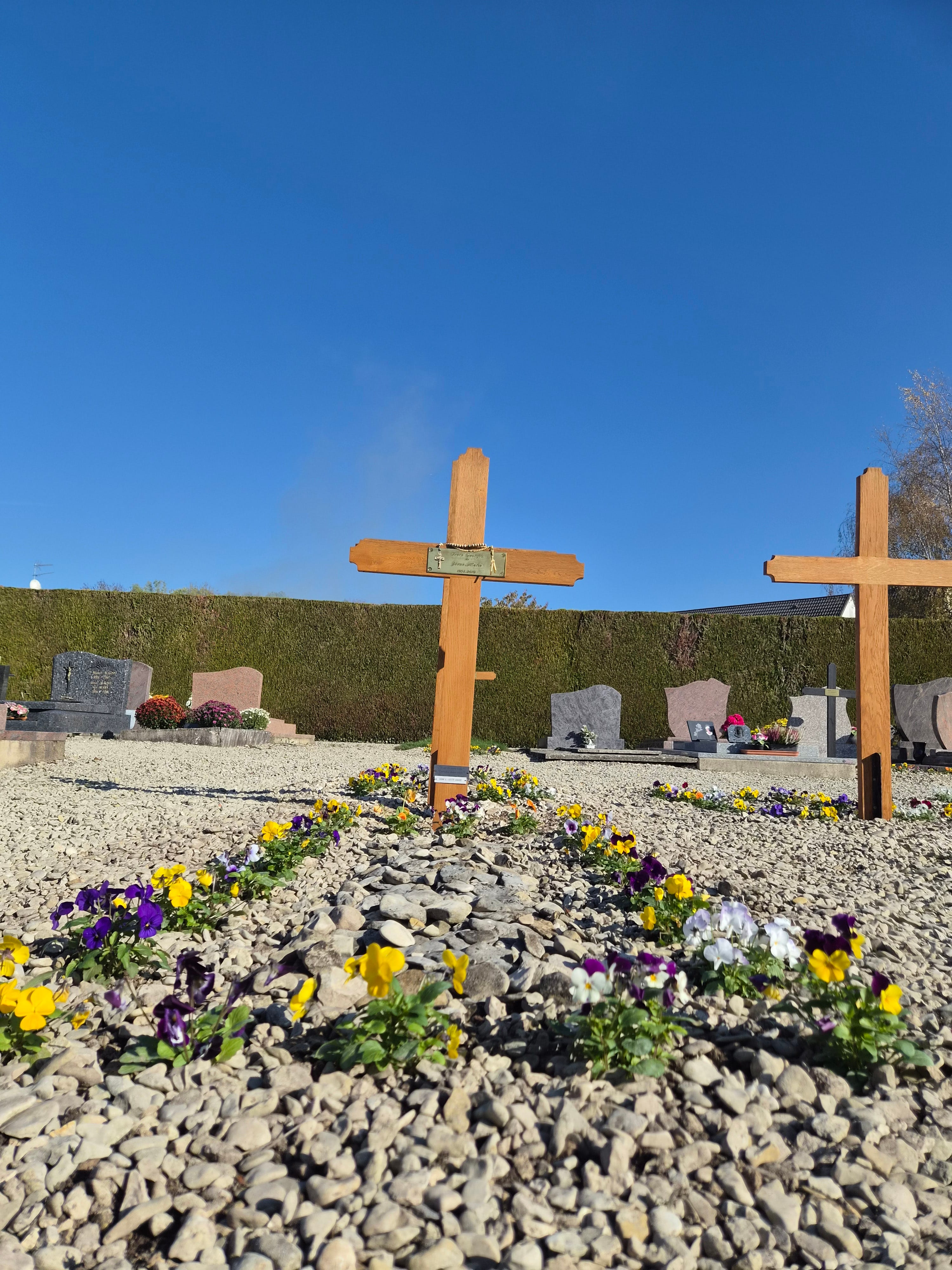
Abbé de Nantes was a pioneer of the early response to Vatican II, and very influential at the beginning. His “Book of Accusation” against Paul VI are without without compare. It was responsible for convincing a young Donald Sanborn (among others) that Paul VI was not the Pope.
His insights into the “MASDU” (see below) are also extremely valuable:
Unfortunately Abbé de Nantes drifted into some very strange positions, both practical with regards to the current crisis, and theoretical with regards to doctrine. You can read about them in the article below.
In spite of this, the community which he founded is still reasonably flourishing in France and elsewhere – with many religious vocations and families attached. (No priests, due to some of those strange positions mentioned.)
Nonetheless, if it were not for Abbé de Nantes, my own family would not exist. So I thank him for that.
May he rest in peace.
Great-Grandfather shot by National Socialists
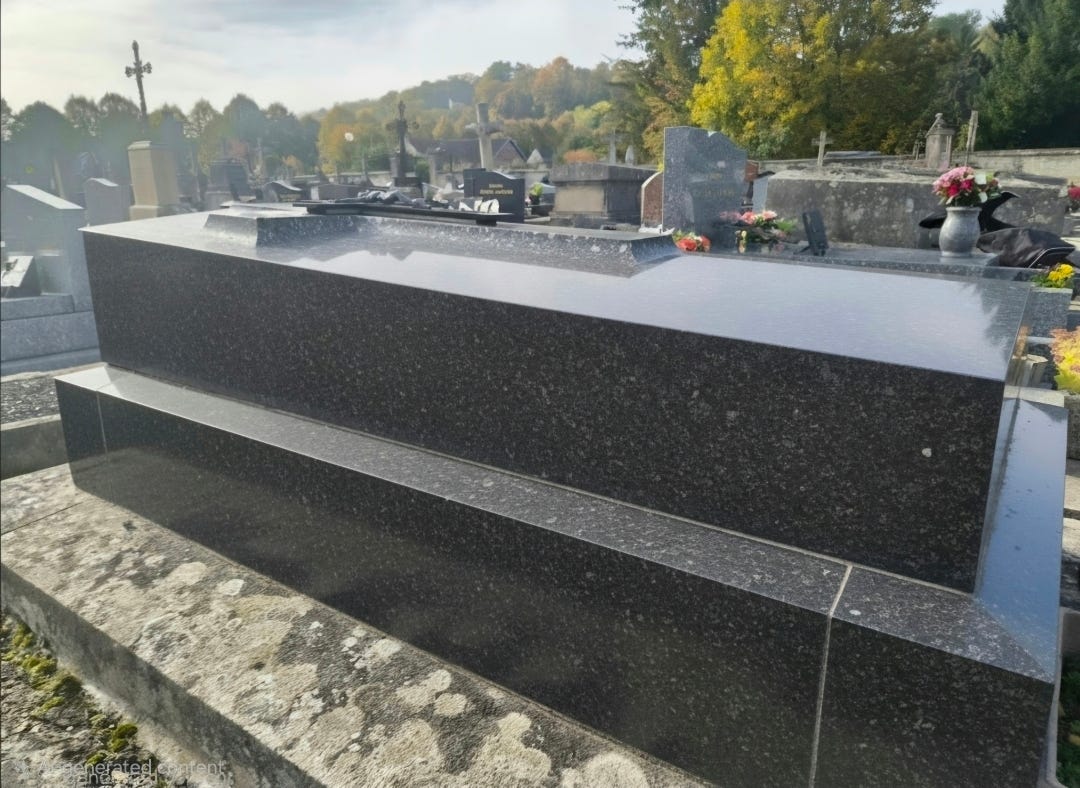
This is one of our family graves. Among the bones that rest here are those of my wife’s great-grandfather.
On 20 July 1944, he was arrested by the occupying Germans, on suspicion of activities with the French Resistance. This was false, and in fact he was apparently opposed to the Resistance. He was held in the prison on rue Hennequin in Troyes, the nearby city.
Troyes was liberated from German occupation on 25-26 August by American forces, led by General Patton.
In the face of the American advance, our relative and 48 others were summarily executed at Creney by the National Socialists on 22 August 1944.
The SS men of the Gestapo, who had fallen back from Rennes in Brittany, sprayed them with sub-machine guns, and any survivors were finished off with revolvers. The unburied bodies were abandoned in three large trenches, and the SS continued their retreat – during which they committed another massacre of 68 persons at Buchères (24 August).
Over the next few days, Abbé Pierlot and the inhabitants of Creney pursued and captured the retreating National Socialists and collaborators, and handed them over to the arrived Allied forces.
The mayor, parish priest and inhabitants of Creney went to the site to try to identify the bodies and return them to the families. Our relative’s son cycled 23 miles to identify the dead body of his father.
An initial funeral ceremony was held a few days after the Liberation on Sunday 9 September 1944. Several thousand people attended, and Mgr Le Couëdic, Bishop of Troyes, called for a monument to be erected to the 49, as well as four others who were also massacred on 22 February of that year.
This monument to the “martyrs” (as they are commonly called) is in Creney-près-Troyes. Other monuments are found in the region to the men taken from each towns to be killed.
Terrible things happen in war. Those currently agitating for war will answer for the many crimes which they have thoughtlessly enabled. In the meantime, Heaven has already given us the means to achieve peace: the First Saturday devotions, and in due course, the consecration of Russia: (see below)
The grave which we visited is also shared by his parents and their families, as well as his two wives – the second of whom he married after the first died. Funnily enough, they were sisters.
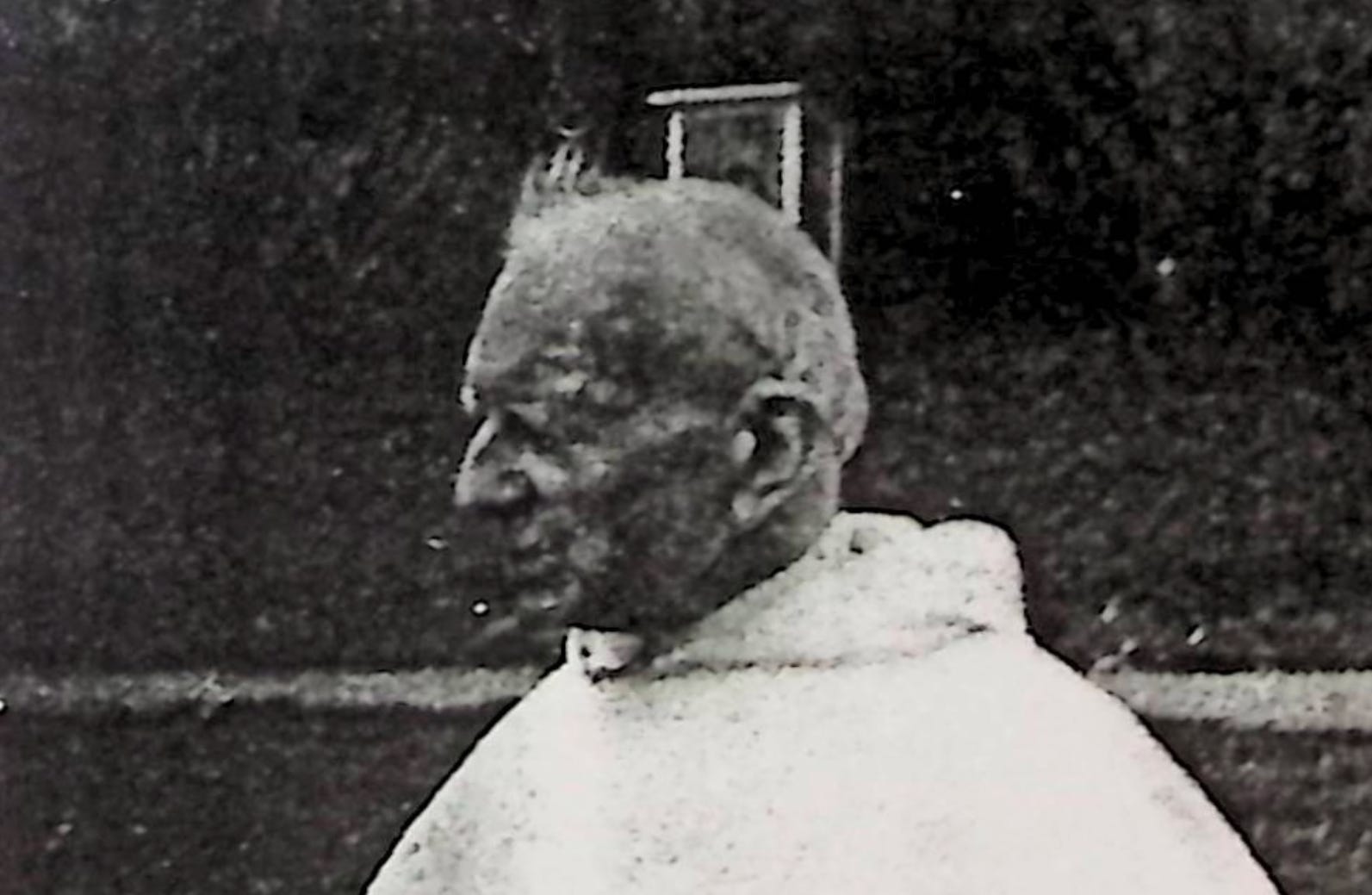
In the picture below, taken shortly before the war, he is the man looking at the camera.
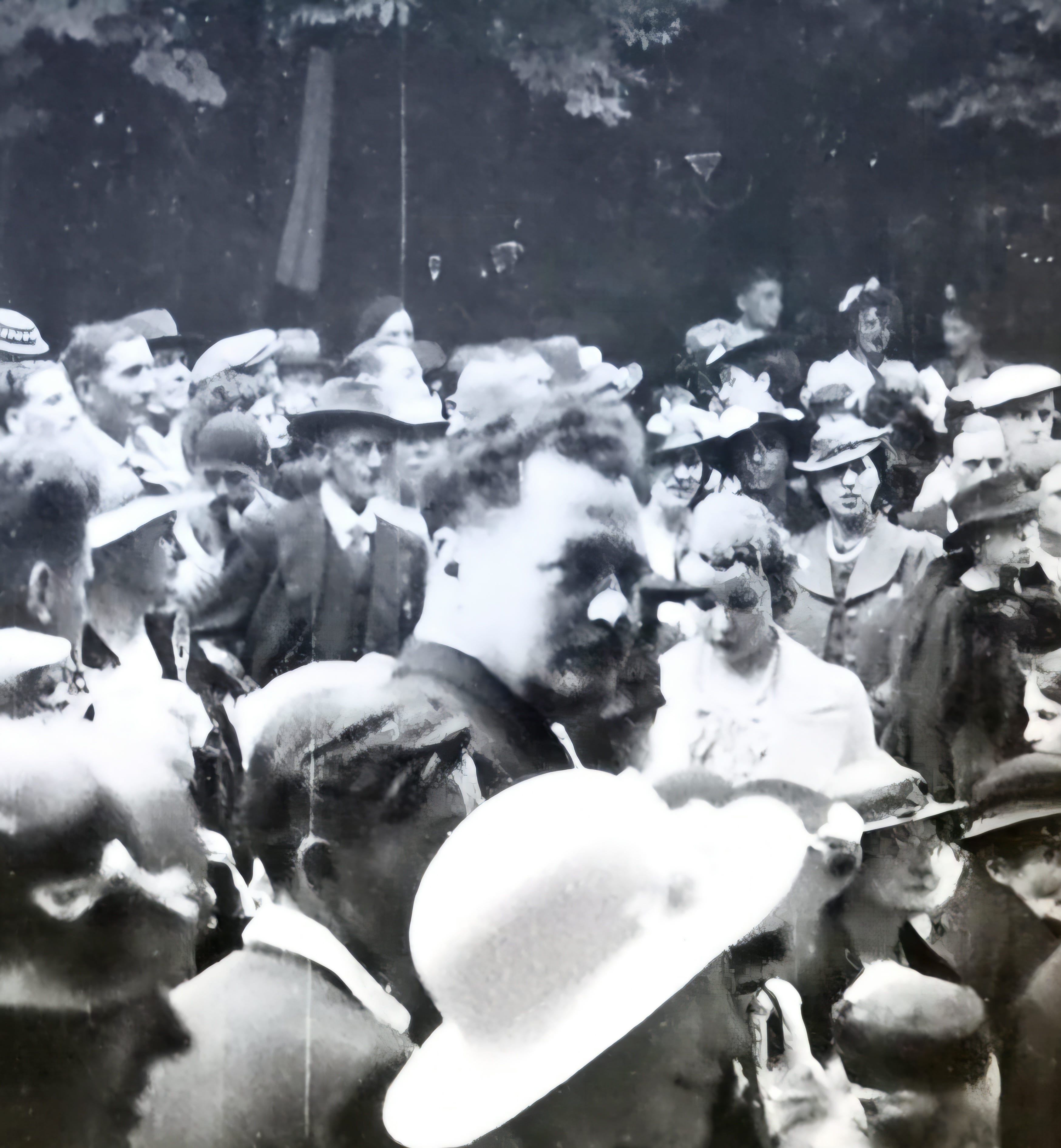
May he rest in peace.
You can read Pope Pius XII’s condemnation of National Socialism over at The Journal of American Reform:
Bishop Sanborn also recently released a newsletter on the subject. That, and Alexander Petersen and Radical Fidelity’s discussion of the matter at Integrity Magazine, are available below:
Mgr Guérard des Lauriers
As I mentioned in my article earlier in the week, we also took the opportunity to visit the grave of Mgr Guérard des Lauriers OP. He is buried in Raveau, Burgundy – where he also spent the final years of his life.
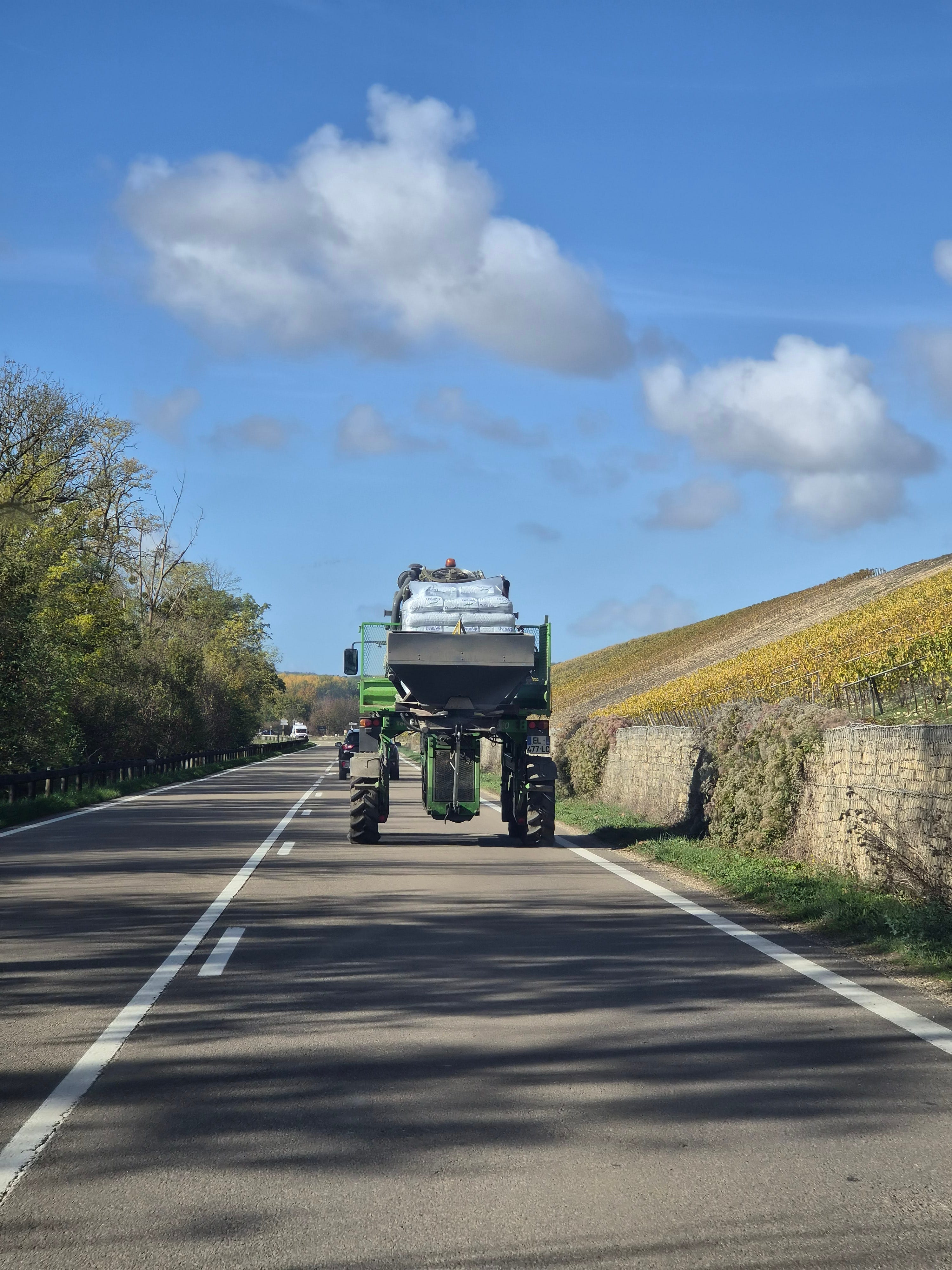
This was a bit further afield, and so we saw a bit more of the French countryside in the process. To get there, we had to drive through southern Champagne and northern Burgundy – so, naturally, a lot of vineyards.
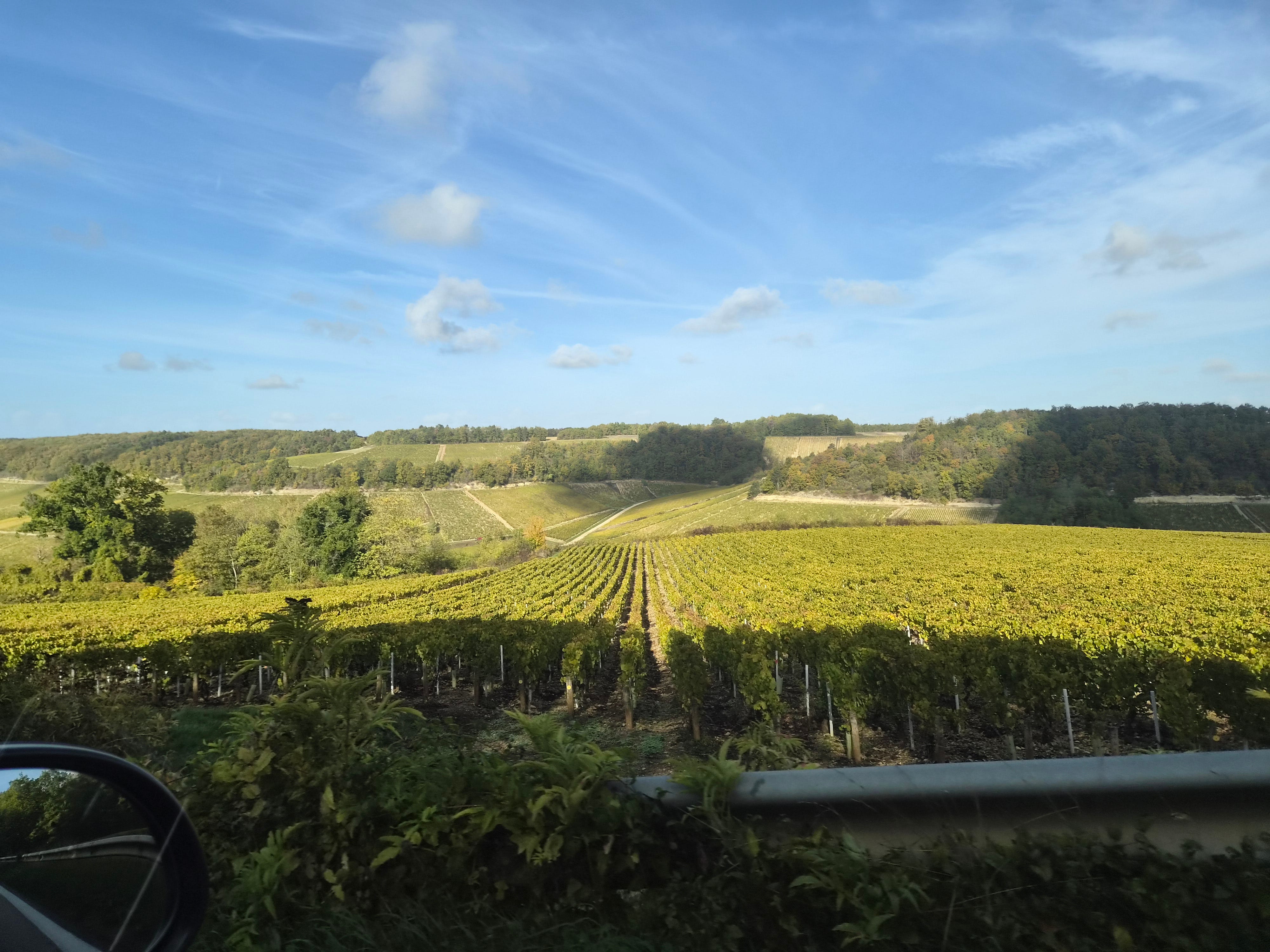
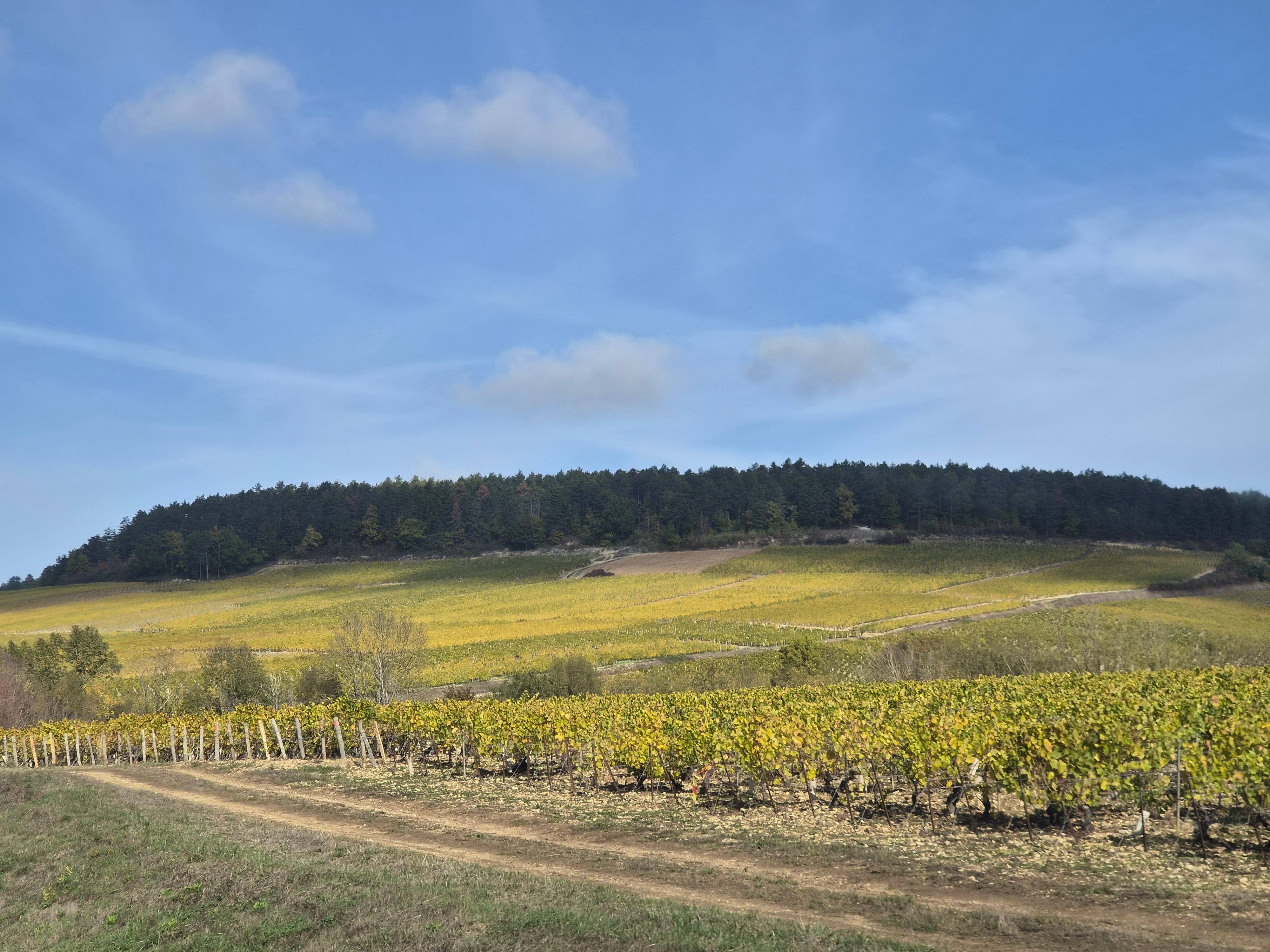
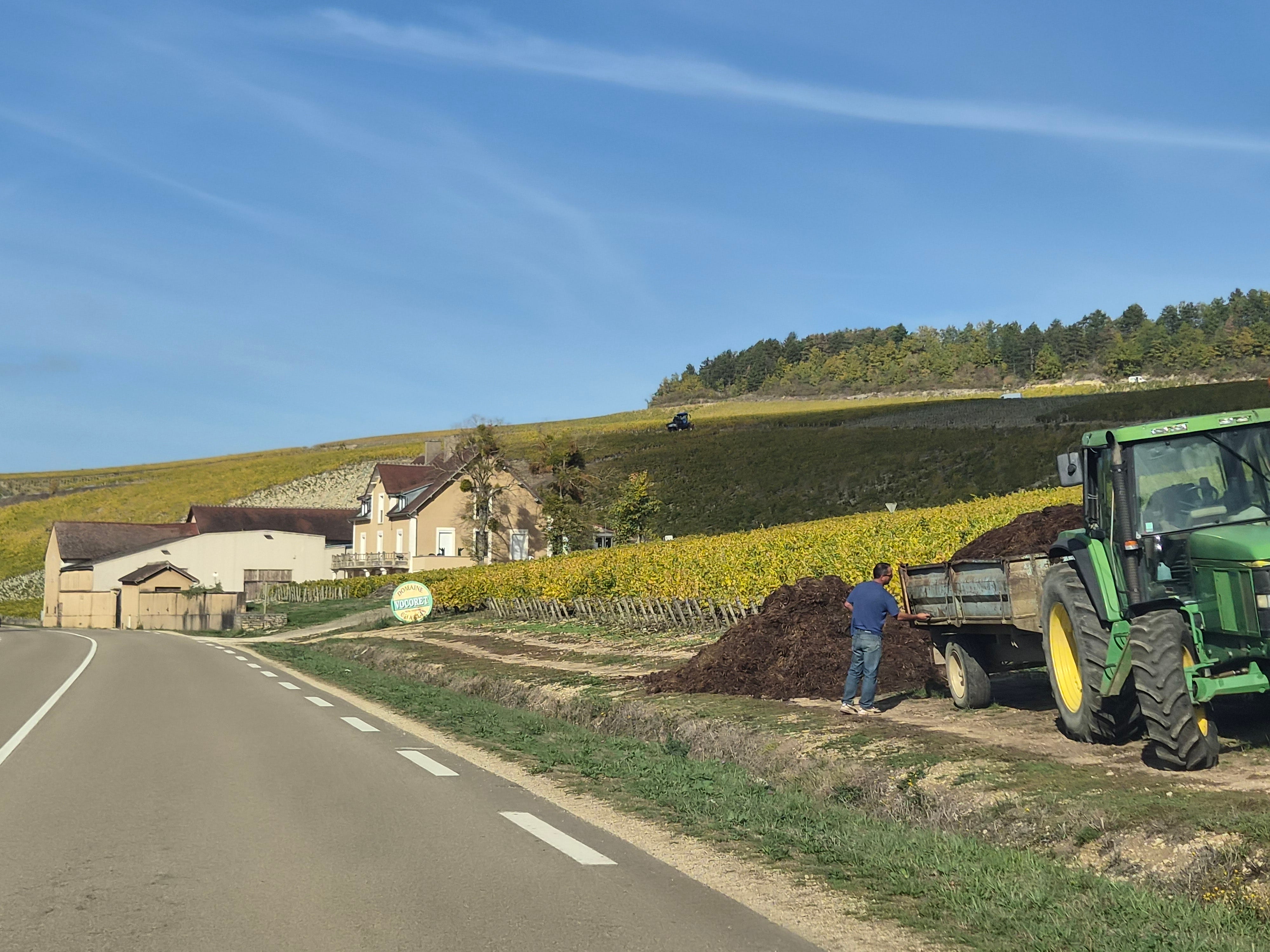
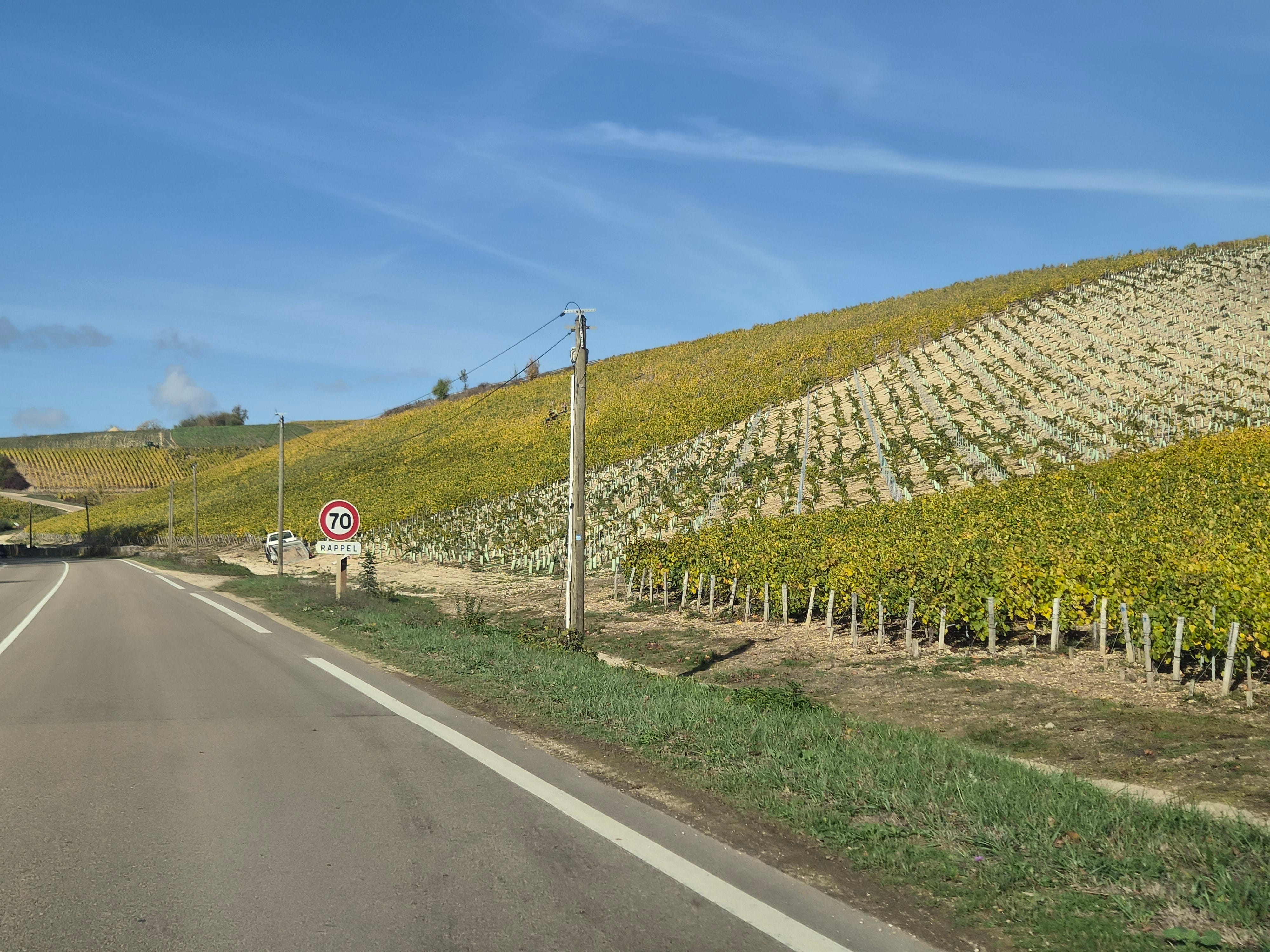
In a previous life, both Mrs Wright and I worked in the wine trade. She actually worked in Chablis, through which we had to drive. This prestigious region’s wines are made primarily with Chardonnay, and the climate produces wines typified by high acidity and a citrus and “mineral” flavour profile. The winemakers put a lot of store behind the chalky and limestone-rich soil, which is also full of fossilised shells.
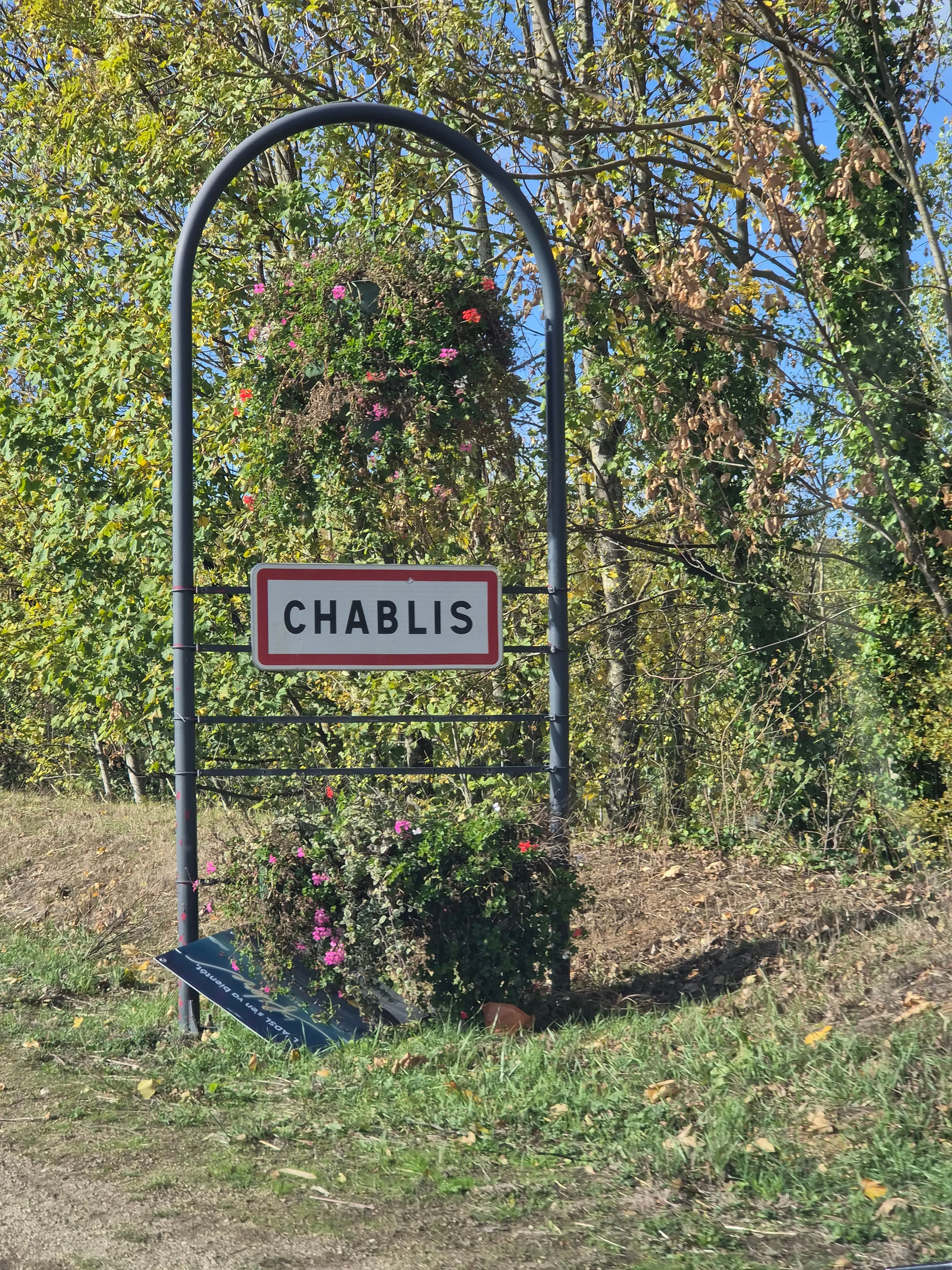
Chablis is a Burgundy, but it is quite a different to what you will find further south in the region – there, you’ll find more oak being used, and riper fruit in the flavour profile for the whites.
Both the whites and the reds, which are usually made with Pinot Noir, are among the most popular and prestigious in the world.
Not so for Crémant de Bourgogne, however – which makes it possible to get some really nice stuff as an alternative to Champagne, when on a budget.
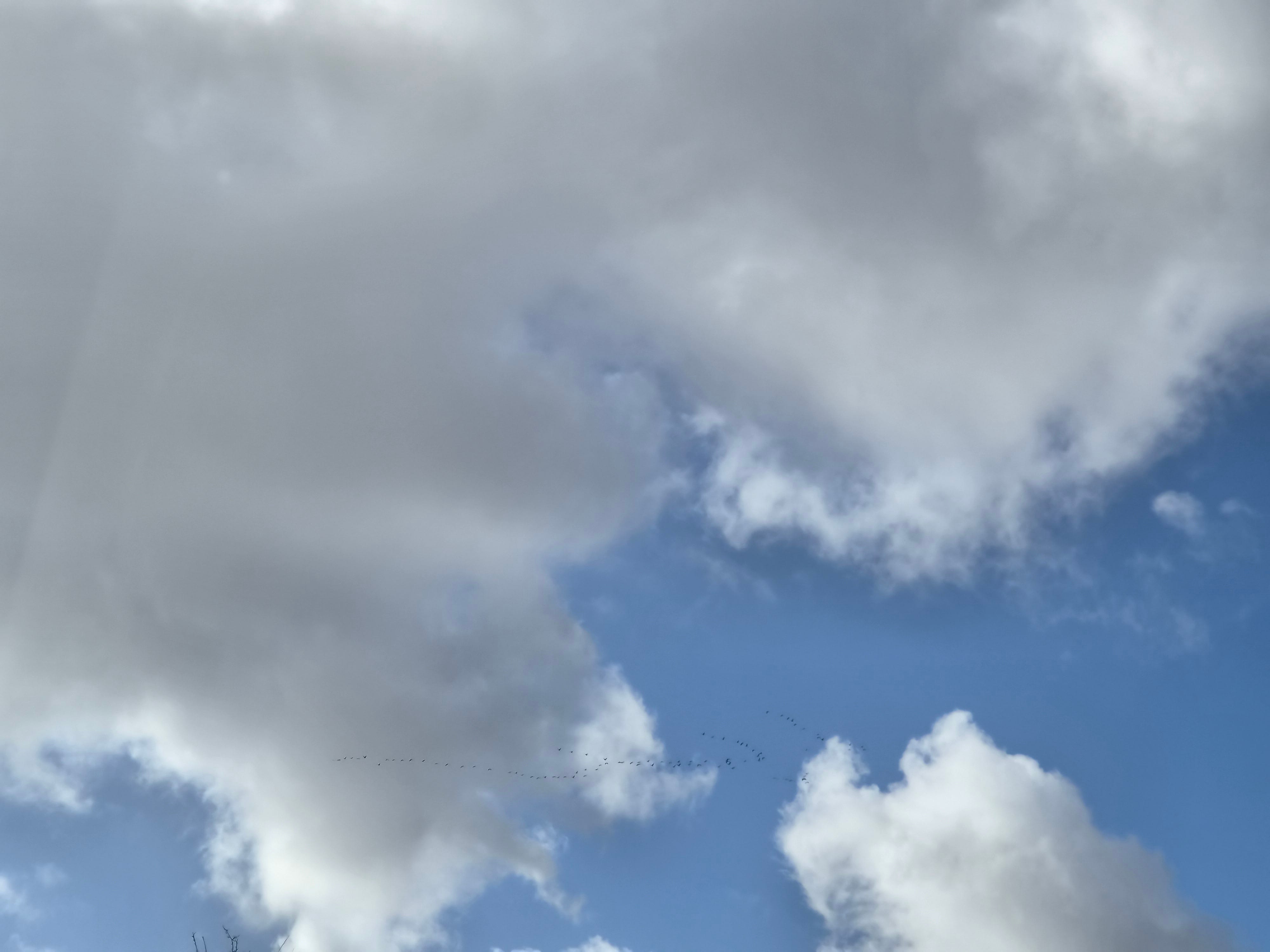
We continued south, and saw other nice things – including cranes flying south in formation (which you could hear from the ground), and murmurations:
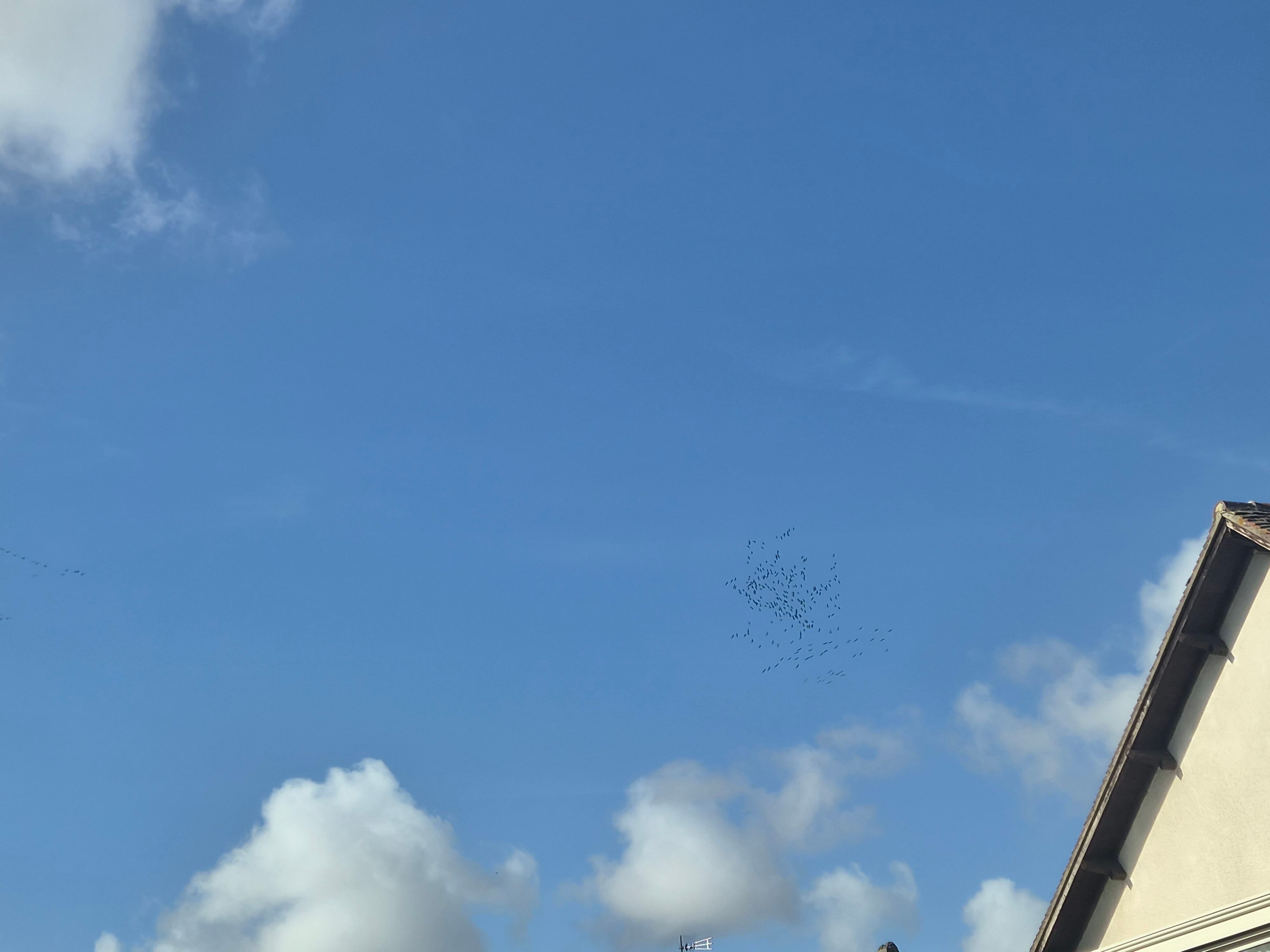
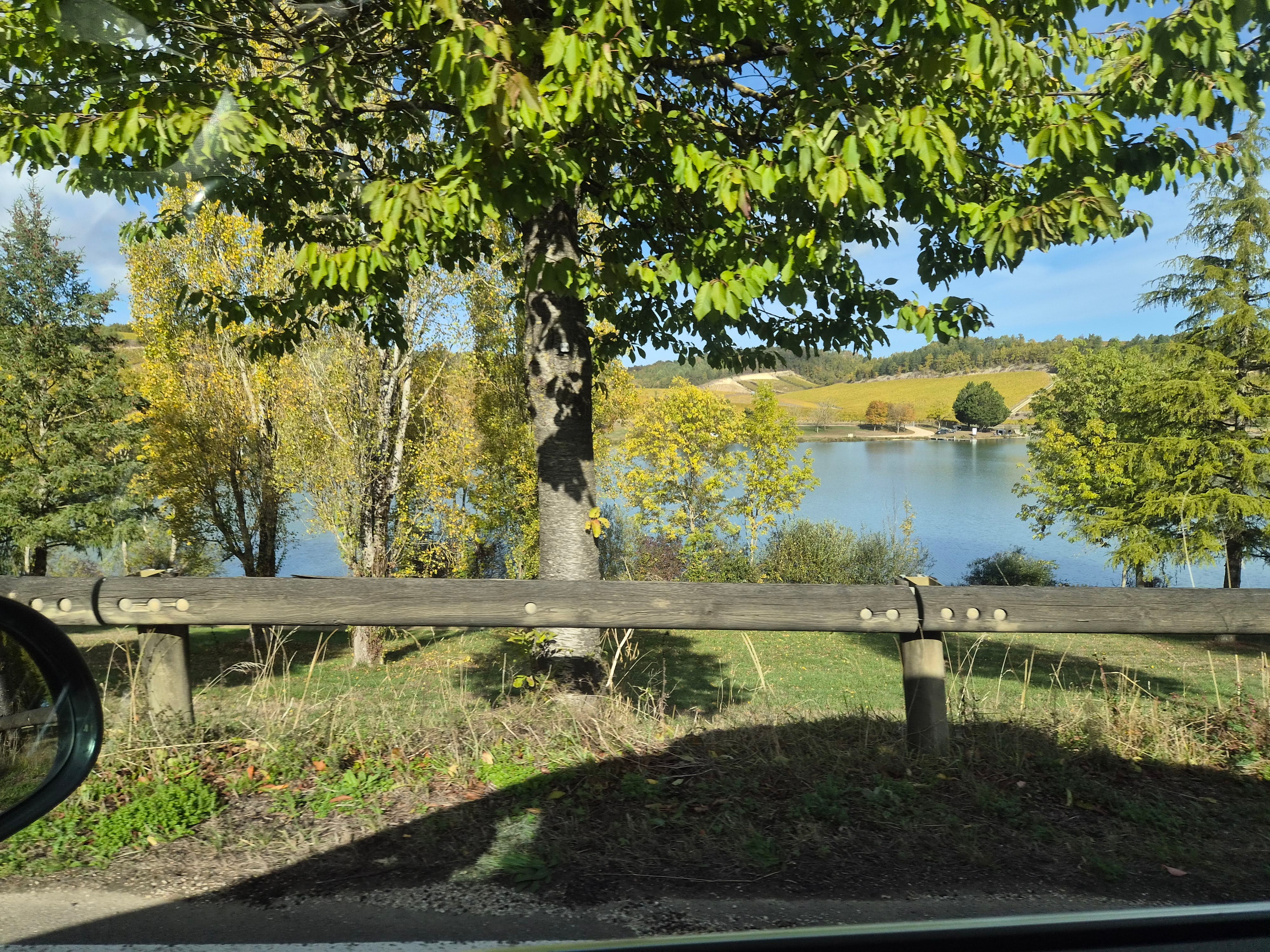
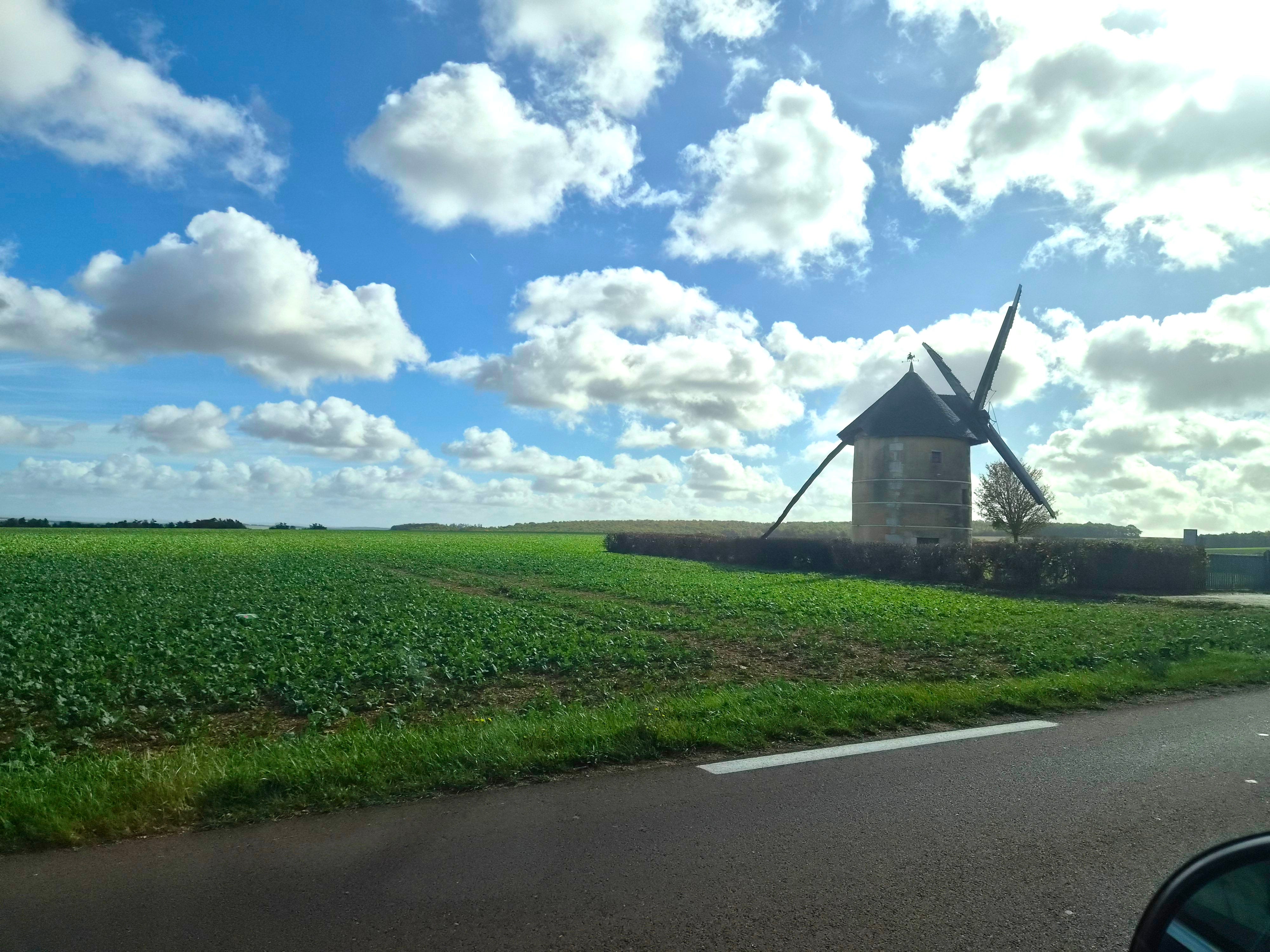
Eventually we arrived at the cemetery in Raveau.
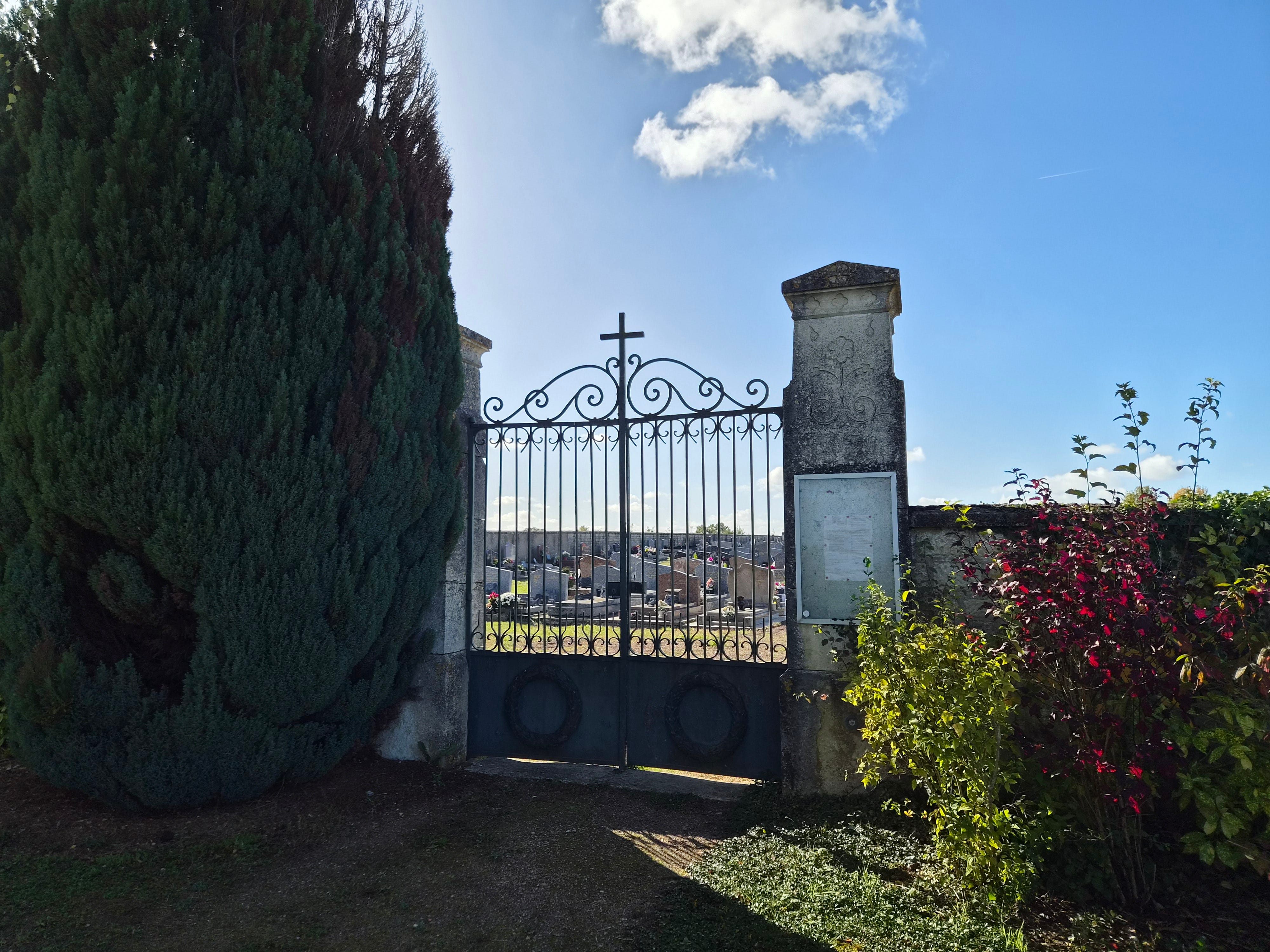
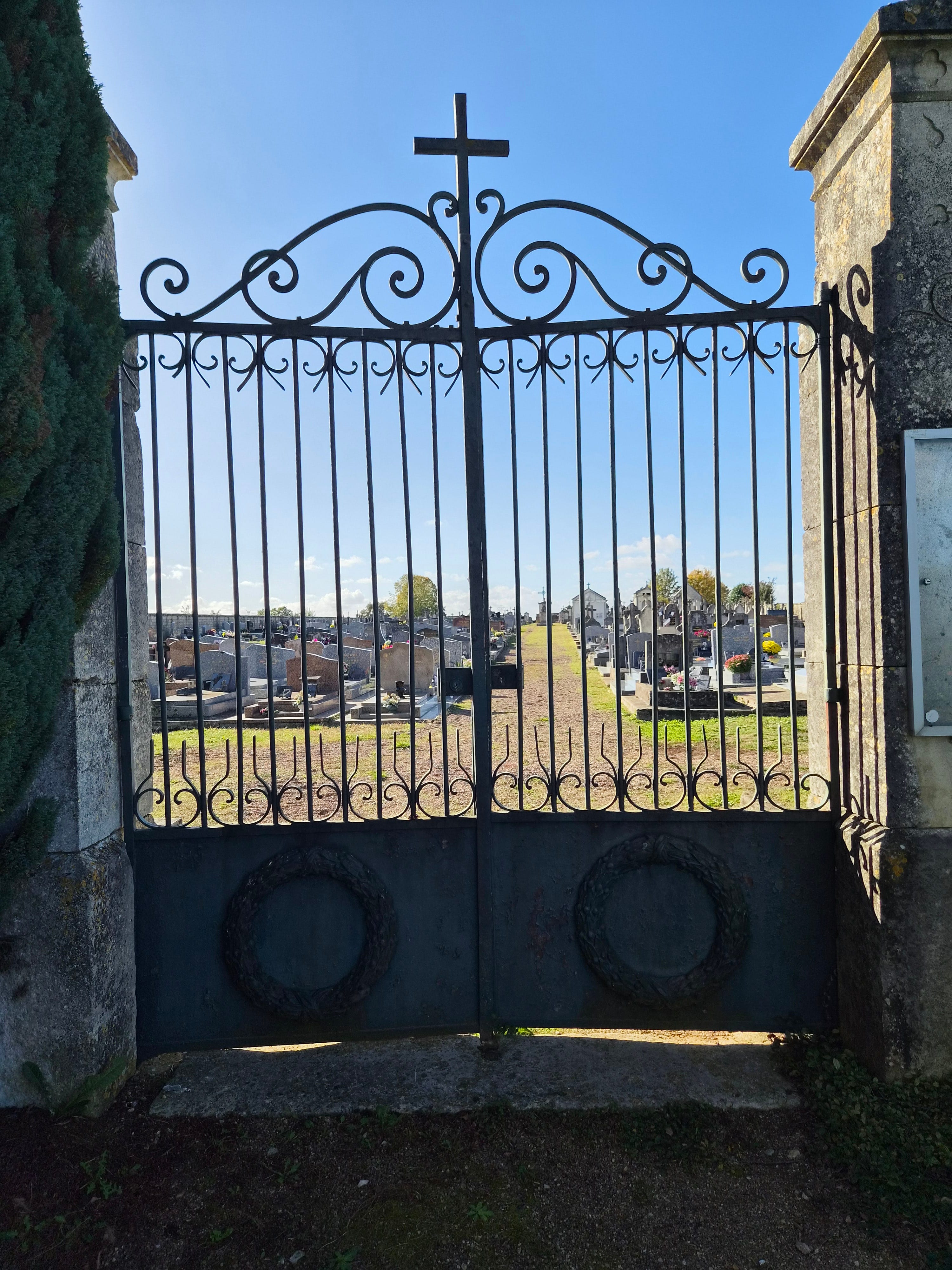
My eldest daughter found the grave quite quickly. It is located quite near the entrance, on the left, right by the “aisle” going through the cemetery.
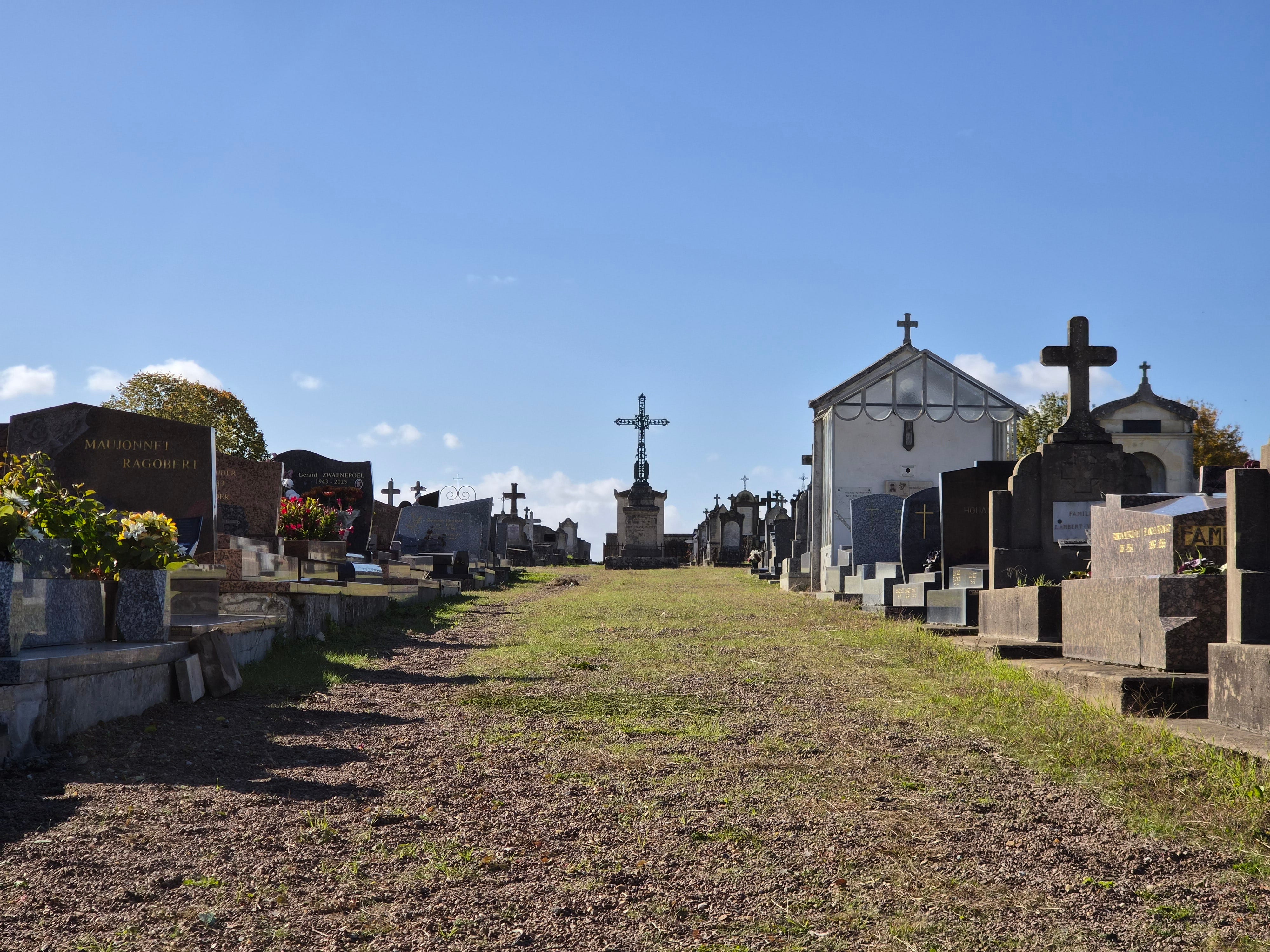
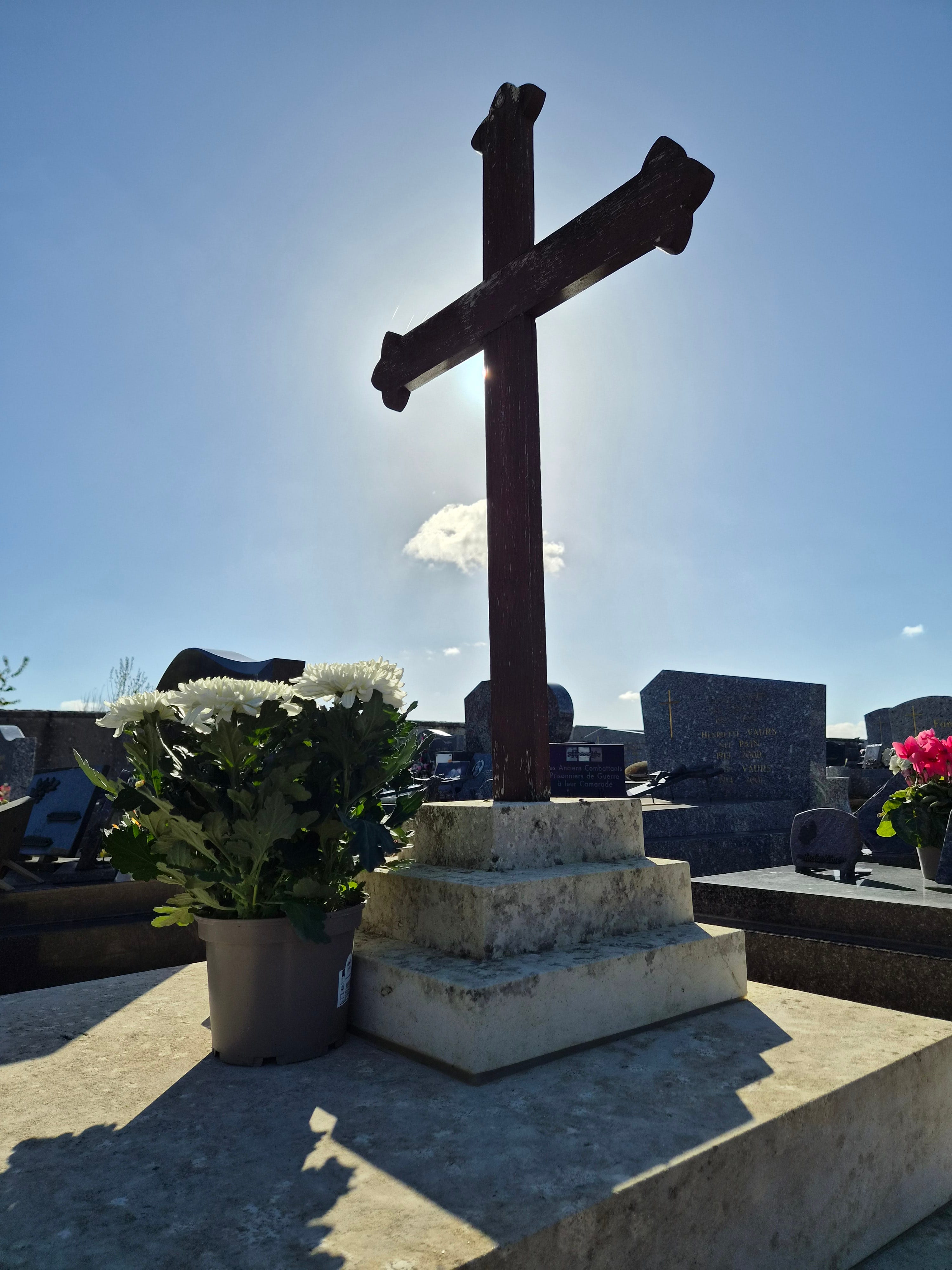
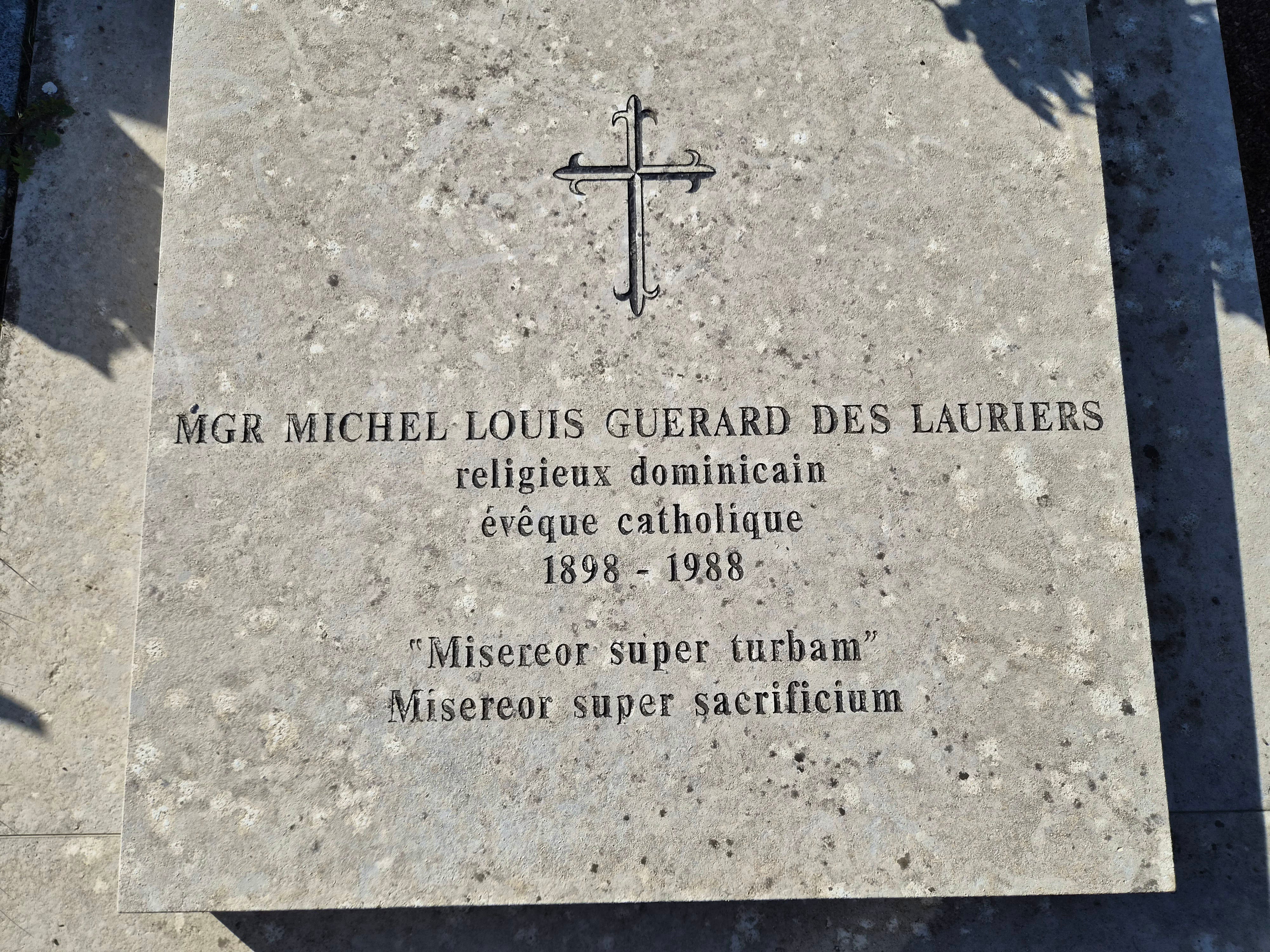
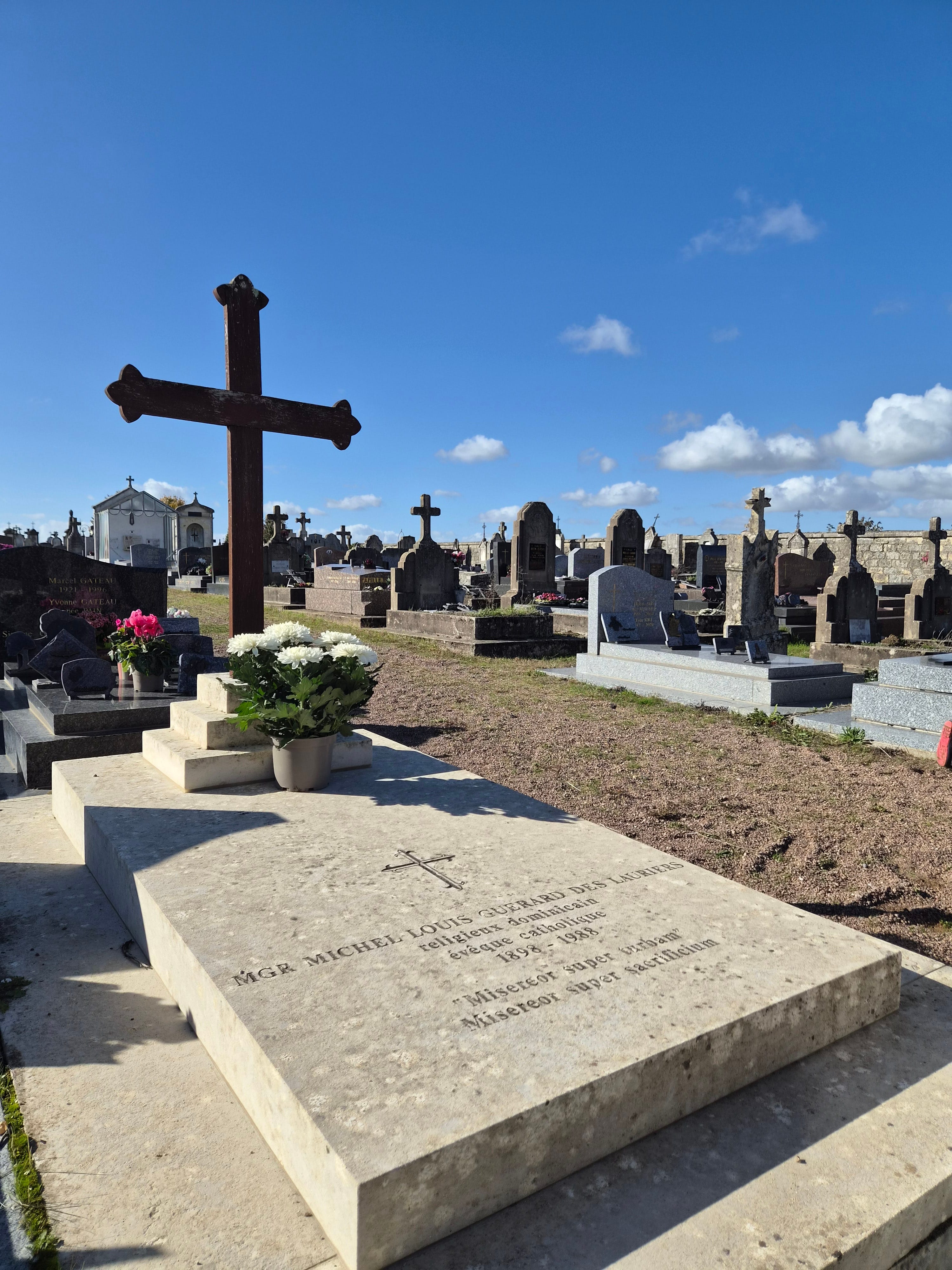
We also visited the house nearby, where he spent the final years of his life. This large chateau is now operated by the Institute Mater Boni Consilii, the priest was kind enough to show us some of the grounds, and the chapel where Mgr Guérard offered Mass.
May he also rest in peace.
You can read the article I mentioned here:
Conclusion: La végétalisation des cimetières
Until a few years ago, French cemeteries were quite miserable places. While some of the monuments can be impressive, they are were all stone and granite. But in recent years, mainly due to environmental laws, various local authorities have stripped away some of the stone, and allowed greenery to return in the plots between the tombs. This process has been called La végétalisation des cimetières.
(France is a country of contradictions. How could a nation of such beauty allow such ugly cemeteries for so long? How can the global capital of raw cheese live off of UHT milk? What is going on?!)
But in spite of the greenery, French cemeteries are still sad. The dead are laid in vaults underneath the stones you can see in the pictures, where they will normally remain between 30 to 50 years.
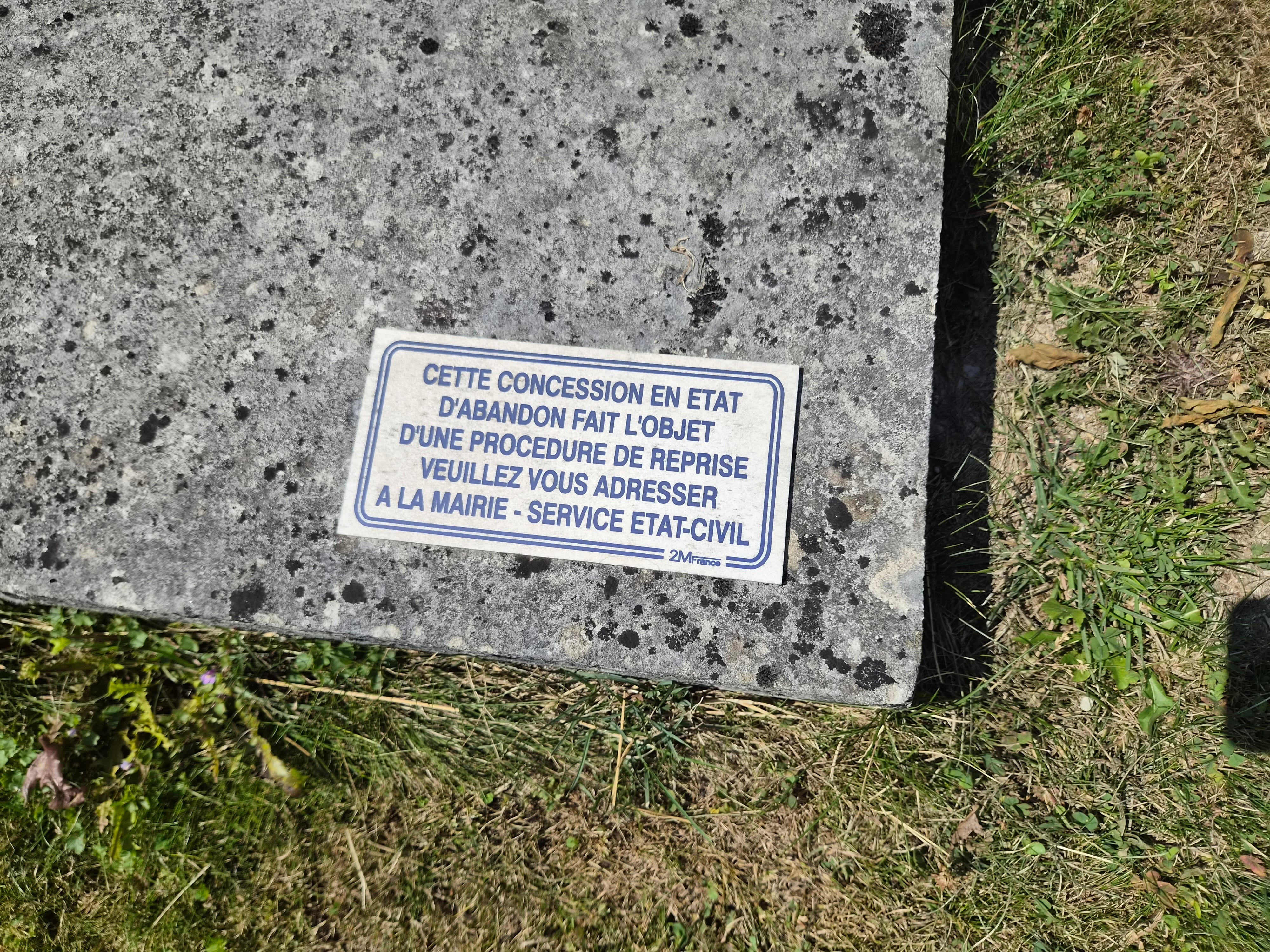
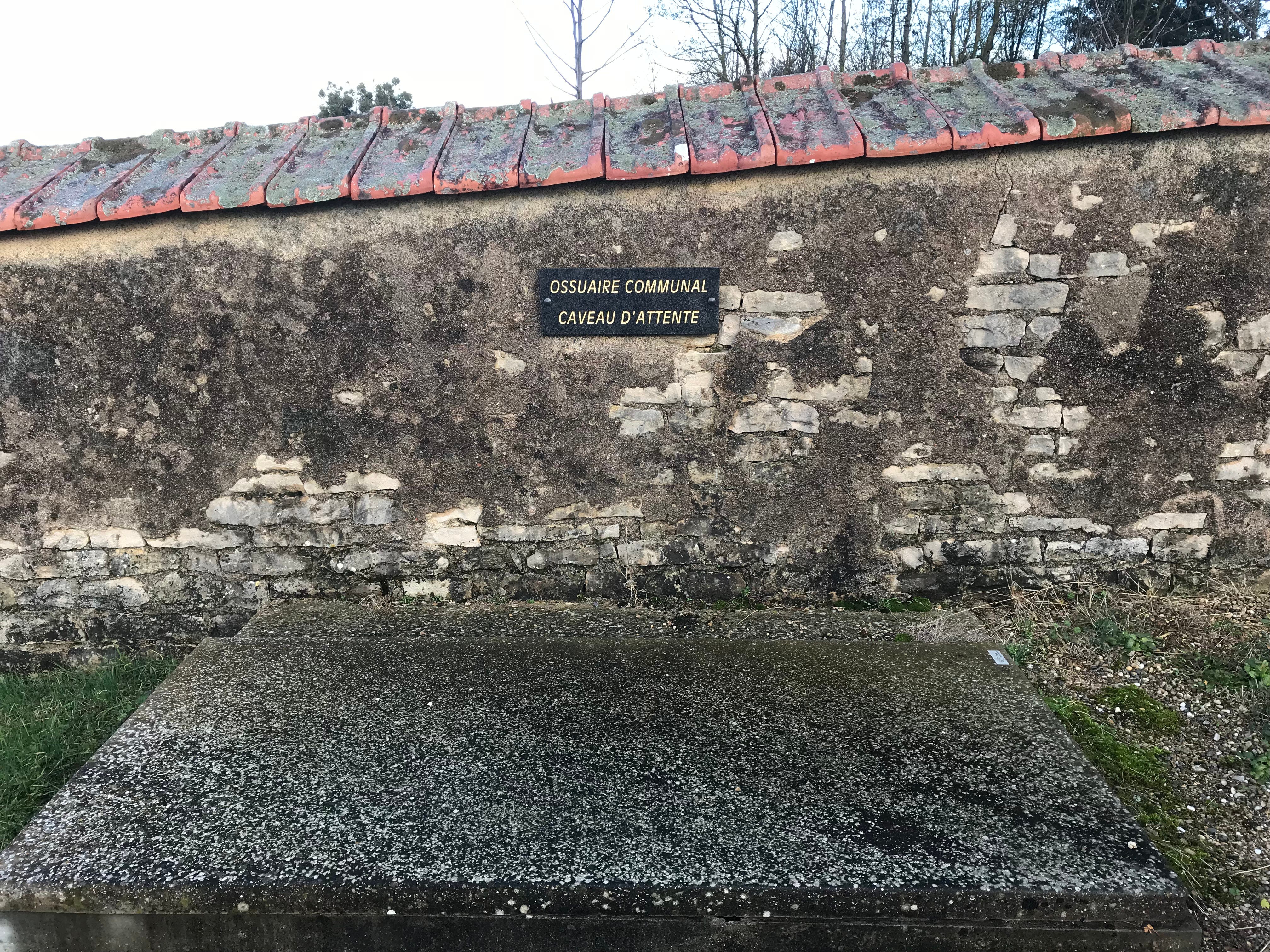
After the term for the plot runs out (provided someone does not renew it), the remains are exhumed and the bones placed in a public ossuary – a communal grave for bones, where the remains are stored anonymously.
If one wishes the remains to stay there longer, one can purchase a plot in perpetuity – although even then, the plot can be reclaimed if the grave monument is neglected.
Given that it is now very difficult to be buried in a churchyard, or in a specifically Catholic cemetery, I can’t help thinking that the “green burial grounds” might not be the best option. Both of my paternal grandparents chose to be buried in one such place, and almost everything about it was better.
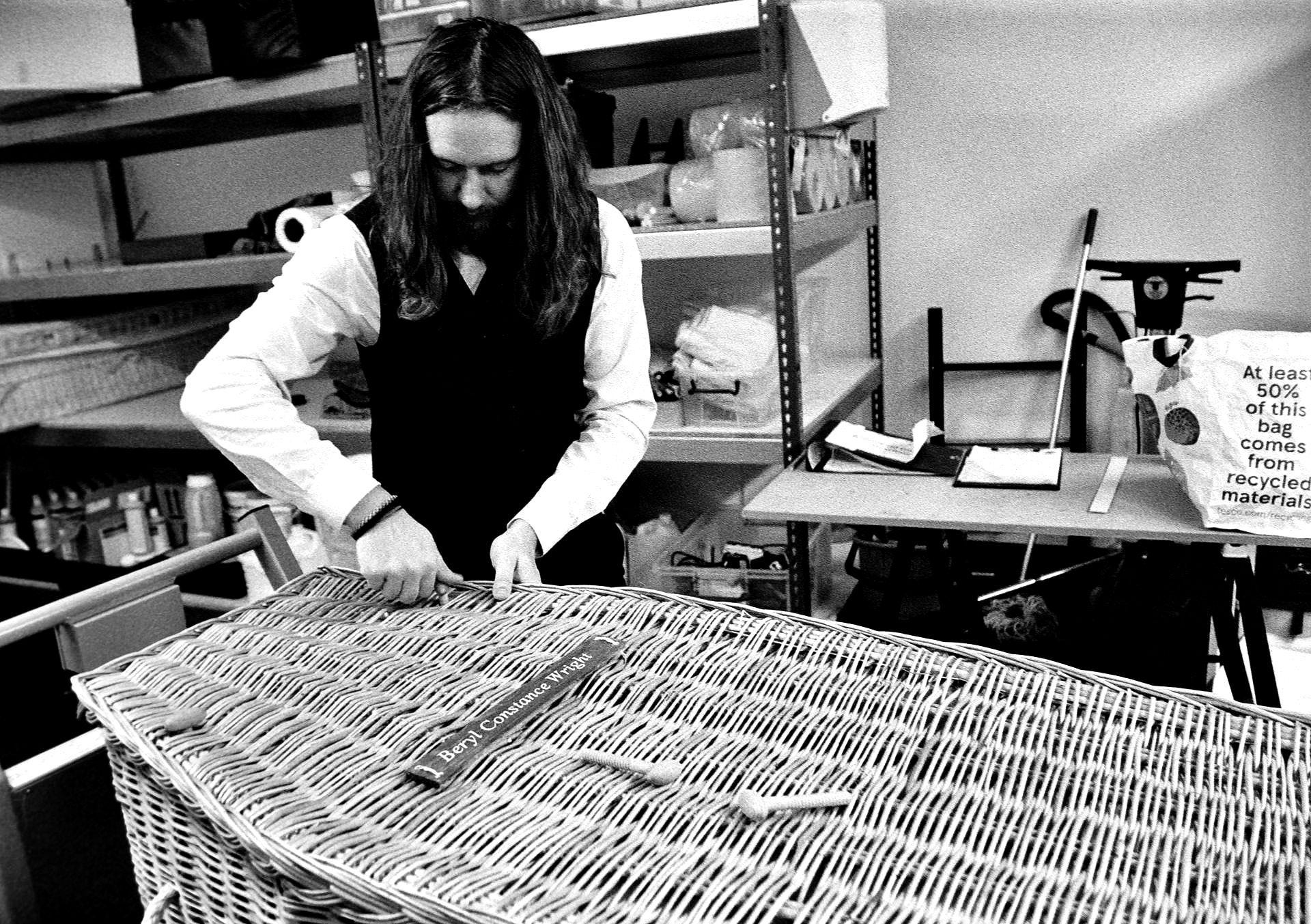
They were buried without the ghastly embalming that can be common today, and in wicker coffins.
Although their monuments were limited to small square stones, the whole area is being progressively transformed into woodland.
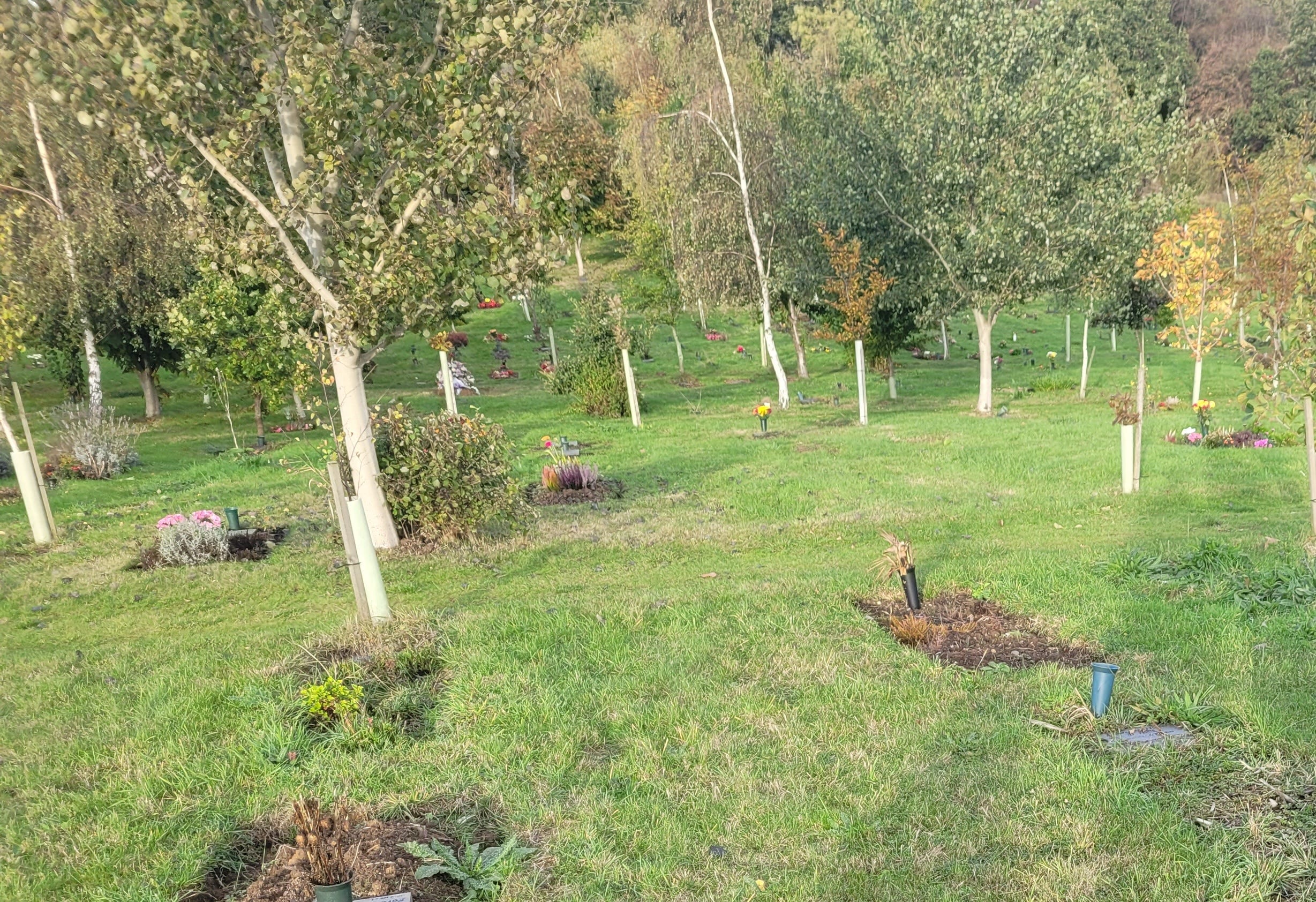
Personally, I quite like the idea of my remains becoming one with a tree – especially when compared with being temporarily stored in a stone vault, and then moved to a public grave.
And on that note, let us remember to pray for the dead this November:
HELP KEEP THE WM REVIEW ONLINE WITH WM+!
As we expand The WM Review we would like to keep providing free articles for everyone.
Our work takes a lot of time and effort to produce. If you have benefitted from it please do consider supporting us financially.
A subscription gets you access to our exclusive WM+ material, and helps ensure that we can keep writing and sharing free material for all.
You can see what readers are saying over at our Testimonials page.
And you can visit The WM Review Shop for our ‘Lovely Mugs’ and more.
(We make our WM+ material freely available to clergy, priests and seminarians upon request. Please subscribe and reply to the email if this applies to you.)
Subscribe to WM+ now to make sure you always receive our material. Thank you!
Read Next:

Follow on Twitter, YouTube and Telegram:
Twitter (The WM Review)